The Philippines turned a phone game into a national esports engine, and the results sit on the record. The M7 world final in January 2026 peaked above 5.68 million concurrent viewers, per the tournament's Wikipedia history, as Aurora Gaming delivered the country's sixth straight Mobile Legends world title.
The boom did not start in a big arena. It started in internet cafes, moved onto smartphones, and grew into licensed careers, national teams, and world championships. The path shows how mobile-first scenes now outdraw much older PC circuits.
How did a smartphone game replace the cafe scene?
Philippine esports began as an amateur circuit, with Dota 2 and Counter-Strike tournaments held in Metro Manila internet cafes through the 2000s, per Wikipedia's overview of esports in the country. Gaming was widely treated as leisure, not a career path.
Phones changed the math. Rising smartphone and mobile internet access pushed Mobile Legends and PUBG Mobile to the front by the early 2020s. The state moved too. The Games and Amusements Board recognized esports as a legitimate sport in 2017, and pro players now hold licenses from that agency.
What does the country's world title run look like?
The ledger starts small and ends loud. The first world championship ran in Kuala Lumpur in November 2019 with a prize pool of 250,000 dollars, per Wikipedia's tournament history, and Indonesia's EVOS Legends took the crown.
- Bren Esports won the second world championship in January 2021, the first Filipino title.
- AP Bren claimed the 2023 edition in Manila and became the first organization with two world titles.
- Aurora Gaming swept Alter Ego 4-0 in the January 2026 final for a sixth straight Philippine crown.
The 2023 edition also put the scene on home ground, with group and knockout play at the EVM Convention Center and the grand final at the Rizal Memorial Coliseum, per the tournament's Wikipedia history. The M7 edition then ran from January 3 to 25, 2026, with 22 teams from 14 regions. This connects to our earlier piece, UK esports scene: how grassroots play builds toward the global stage.
How large did the audience actually get?
The M7 grand final peaked above 5.68 million concurrent viewers, the largest audience on record for a mobile esports event, per the tournament's Wikipedia history. It broke the mark set by the 2021 Free Fire World Series in Singapore. The event also passed its own viewership record three times on the way there, per the same account.
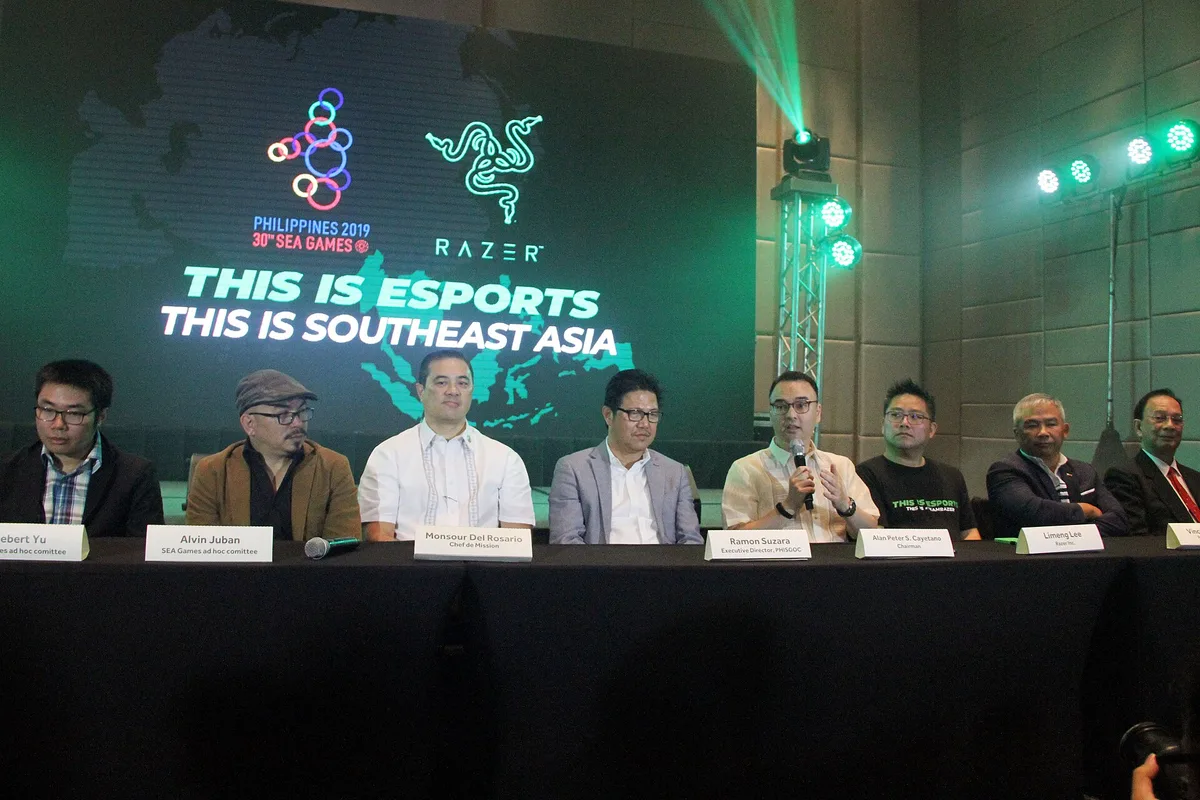
The domestic league tells the same story. By October 2024, the Mobile Legends Professional League had become the first esports event to pass one billion hours watched, per Wikipedia's game overview. Esports also joined the 2019 SEA Games in Manila as a medal event, and MLBB debuts as a medaled title at the 2026 Asian Games.
Why did careers and national teams follow?
Structure turned viewers into careers. The Philippine Esports Organization formed in 2011 and joined the Philippine Olympic Committee in 2020, per the country's Wikipedia overview. Its national team, Sibol, carried the flag when esports first appeared at the 2019 SEA Games.
Moonton's MPL leagues, launched in 2018 across Indonesia, the Philippines, Malaysia, Singapore, and Myanmar, give the scene a ladder from local splits to the world stage. That ladder keeps local rosters visible every season, which is the base a fan economy needs.
The map kept spreading. Moonton announced MPL Brazil in August 2021, the first league outside Southeast Asia, per the game's Wikipedia overview. In January 2026, the Esports World Cup Foundation named MLBB the first title for its Esports Nations Cup in 2026.
Conclusion: the mobile boom built real infrastructure
Six straight world titles, a 5.68 million viewer peak, licensed players, and a medal track at continental games are documented facts, not forecasts. The Philippines did not wait for PC esports to share its stage. It built a larger one on phones. Readers following this should also see How esports teams actually make money, from sponsorships to revenue share.