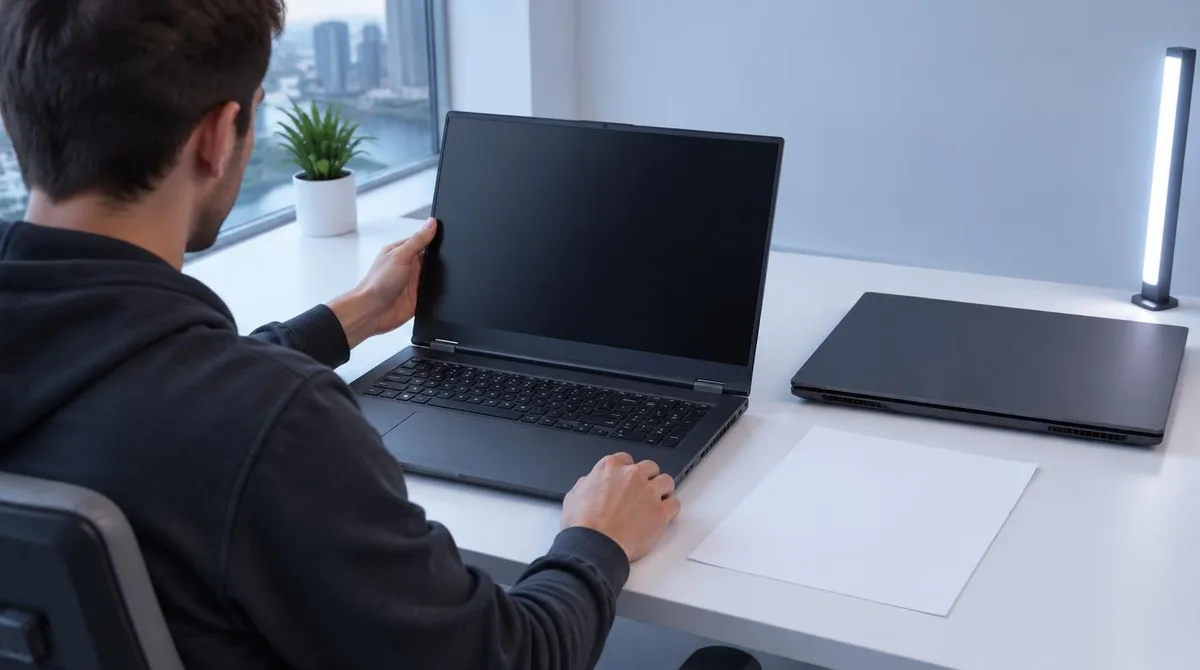
The Lenovo Legion Pro 7i gaming laptop is the top tier of Lenovo's Legion consumer line, and it sits in a crowded field of 16-inch performance machines. The honest answer to "should you buy it?" is: it depends on what you can verify before the money leaves your account. Specs, prices, and stock move constantly, so the useful thing this piece can do is tell you what is reliably known and what you should check yourself.
What is reliably known starts with the company. According to Wikipedia's entry on Lenovo, the company has been the world's largest personal computer vendor by unit sales since 2013, a position it still held as of 2024. It reported US$69.077 billion in revenue for 2024/25. That scale matters for a buyer in one practical way: parts, service, and firmware support for a mainstream flagship are easier to find than for a boutique brand.
Legion is Lenovo's consumer gaming brand, one of several the company runs alongside ThinkPad, IdeaPad, Yoga, and LOQ. The Pro 7i is the line's performance flagship. Everything below is what a careful buyer should establish before committing — and where the research currently stands.
Who actually makes this laptop, and why does it matter?
Lenovo was founded in Beijing on 1 November 1984 as Legend, by engineers from the Chinese Academy of Sciences, per the same corporate history. It absorbed IBM's PC business in 2005 and took the ThinkPad line with it. Today it operates dual headquarters in Beijing and Morrisville, North Carolina.
Why should a gamer care? Because a laptop is a three-to-five-year commitment, and the maker's stability decides how easy those years get. A company shipping tens of millions of units keeps driver packages, BIOS updates, and replacement parts in circulation longer than a small shop can. Lenovo's Legion line has existed long enough that its update cadence is predictable: new CPU and GPU generations arrive, the previous generation drops in price, and the used market fills in behind it.
What should you check on the spec sheet before anything else?
Specs for this model change by configuration and region, so treat any single listed configuration as one option, not the product. Four things decide whether a gaming laptop is good, and none of them is the biggest number on the page. Our analysis, after years of reviewing hardware: buyers overweight the GPU name and underweight the four items below.
- The display. Panel speed, brightness, and color coverage vary wildly between configurations of the same chassis. A fast GPU behind a slow panel wastes money.
- Thermals and fan behavior. A laptop that hits its advertised performance for thirty seconds and then throttles is slower than a modest machine that holds steady. Look for sustained-load tests, not peak numbers.
- Power delivery under battery. Many gaming laptops only reach full performance while plugged in. If you plan to game untethered, verify what the machine does on battery, not just at the wall.
- Upgrade paths. Which memory slots are soldered, how many storage bays exist, and what the maximum supported capacity is. These determine whether the laptop ages with you or against you.
None of these questions can be answered from a product page alone. Independent sustained-load benchmarks and owner reports are the evidence that matters here.
How should you read owner feedback without getting fooled?
Owner feedback is noisy in both directions. Happy owners write one review and leave; frustrated owners write three. The reliable method is to sort recent reviews by configuration. A complaint about fan noise on a top-spec unit tells you little about the mid-tier configuration a store actually has in stock.
Watch for patterns, not anecdotes. If multiple owners of the same configuration report the same issue — a specific port failing, a driver conflict, a hinge complaint — that pattern is signal. A single angry post is not. Also check the dates: firmware fixes ship over a laptop's first year, so a launch-window complaint may already be resolved.
How does it stack up against rival 16-inch gaming laptops?
The 16-inch class is where most serious gaming laptops now live, and the Legion Pro 7i competes directly with machines from several major makers. We keep coming back to the same comparison framework for all of them, because the brands trade the lead from generation to generation:
- Fix your budget first, then your must-have panel spec, then everything else.
- Compare sustained performance in the same workload class — the same game or the same render test — never peak numbers from different reviewers' setups.
- Compare weight and charger size honestly. A "portable" 16-inch machine with a brick charger is a desktop that occasionally travels.
- Compare warranty terms in your country, because service networks differ more between makers than performance does.
On that last point, Lenovo's scale is a genuine, verifiable advantage. A vendor that is the largest PC maker in the world, per the sourcing above, has the service footprint to match. Whether that outweighs a rival's better keyboard or quieter fans is a judgment only a side-by-side test can settle — and we have not tested this unit. When we do, this piece gets a scored review with hours logged, load times measured, and the review-code disclosure stated plainly.
What this means for your purchase decision
Here is the practical summary. The Legion Pro 7i comes from a maker with documented scale, a long-running gaming brand, and predictable generational updates. Those are reasons for confidence in support and resale. They are not proof that a specific configuration at a specific price is the right buy this week — prices and stock shift too fast for any standing article to promise that.
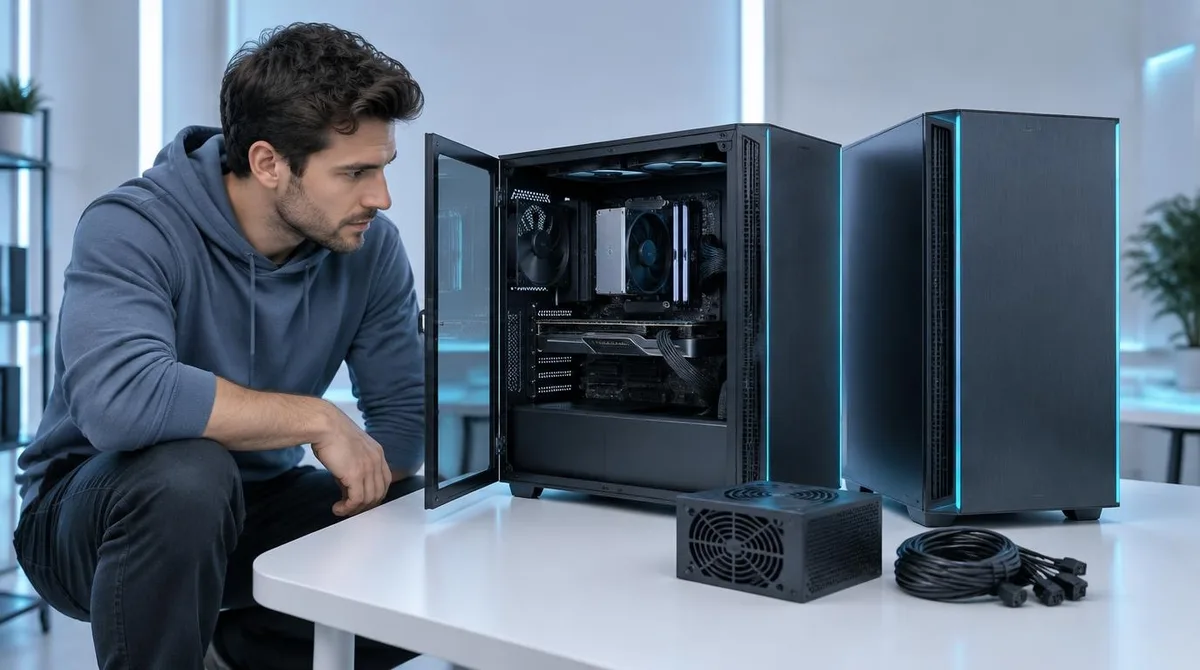
If you are comparing machines in this class, our reviews section covers the hardware and competitive scenes these laptops are built for, and our earlier breakdown of a discounted gaming PC deal and what it actually included shows the method we apply: read the line items, not the marketing. For broader context on how we score software and hardware alike, see our piece on what makes a review score mean anything. We covered a connected angle in Reviews of the odyssey movie: How to read a movie review without getting spoiled.
What the evidence establishes: Lenovo's corporate stability, the Legion line's place in its portfolio, and the framework that separates a good gaming laptop from a well-marketed one. What remains unknown until tested: this specific unit's sustained performance, thermals, and build quality. Wait for the numbers, or verify them yourself before you spend. The mechanics of a good purchase, like the mechanics of a good game, respect your time only if you check them first. Readers following this should also see Netcode competitive gaming: What makes a game's netcode actually competitive-ready?.