It already does — that's the finding. Dota 2 enters mid-2026 with the most interesting competitive structure change it has ever made: Valve, starting with the 2023-2024 competitive year, retired the old Majors-plus-Pro-Circuit system in favor of a flatter calendar of third-party events feeding The International, the game's world championship. The International 2025, held in Hamburg as the tournament's first German edition, crowned Team Falcons — the Saudi-organization squad built the new-fashioned way — as champions per Valve's official results. The scene is smaller than its 2018-2019 peak and, by several measures, more alive. This review explains both halves. Standing note: Academia Hagi is an online publication covering Dota's ecosystem, not a broadcaster.
What replaced the Dota Pro Circuit?
Permission, essentially. Where the old system ran publisher-operated Majors and a points race with strict invitations, the post-2023 model lets independent organizers run top-tier events on their own schedules, with The International sitting above them all as the destination. Valve publishes minimum standards, invites to The International are earned through results across the independent calendar, and the publisher's role contracts to curator of the championship. The consequences cut both ways. The calendar lost its legible spine — no more 'Majors' to circle — and gained pluralism: more organizers, more regions hosting, more formats in play. Esports organizations spent 2024 and 2025 adjusting to the new economics, a consolidation process visible across the industry in Reuters' technology coverage.
Does The International still matter?
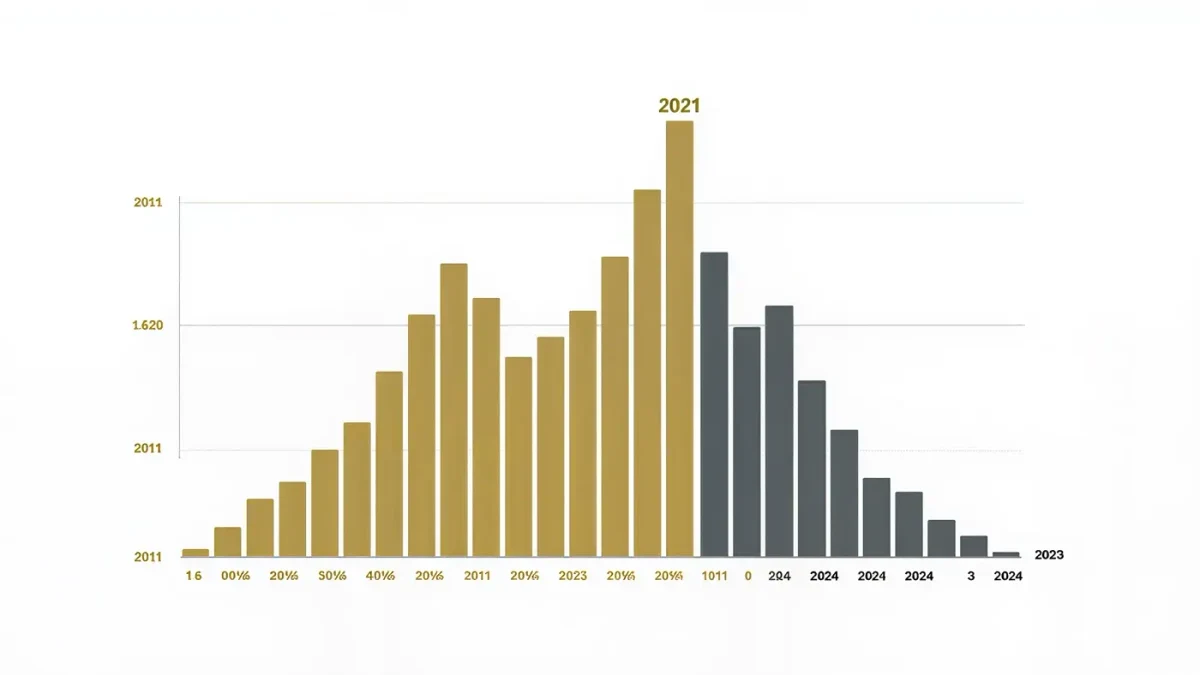
More than ever, actually, and for a counterintuitive reason. The prize-pool records of the crowdfunded era — the US$40 million scale of the 2021 edition, funded through the battle-pass system Valve scaled back afterward — are gone by design, and hand-wringing about 'dead' prize pools misses the point: the money was always a marketing instrument, and The International's cultural weight survived the deflation. The 2025 Hamburg edition delivered the tournament's signature drama, with Falcons' title run capping the organization's climb from regional newcomer to world champion inside three years. The championship remains Dota's singular moment — the one event every professional structures a year around.
| Era | Structure | Defining trait |
|---|---|---|
| 2017-2023 Majors system | Publisher-run Majors + points race | Legible, expensive, top-heavy |
| Crowdfunded peak (2018-2021) | Battle-pass-funded mega prize pools | US$40M-scale spectacle |
| Post-2023 open calendar | Independent events + The International | Plural, regional, curator-Valve |
Who wins in the new structure?
Regions, mostly — Eastern Europe, China, Southeast Asia, Western Europe, and, decisively, the Middle East. The old circuit's points geometry favored organizations that could afford constant travel and bootcamps in Western Europe; the open calendar spread events wider, and the Falcons model — a Gulf-funded organization recruiting globally and competing everywhere, part of the Saudi esports spending documented by the Associated Press — proved a title could be built outside the old geography. Eastern Europe's player-development pipeline stayed the game's deepest, China's resurgence became a running storyline of the mid-2020s, and Southeast Asian organizations used the wider calendar to host and contend. The parity is real: different regions' teams won premier events across 2024 and 2025, per the respective organizers' results pages.
What are the costs of the new model?
Two honest ones. First, calendar literacy: without publisher-run Majors, following Dota's top level requires knowing which independent events matter in a given window — a small tax on casual fans that the old system didn't charge. Second, mid-tier security: the Majors system guaranteed a minimum number of big-purse events per year; the open calendar guarantees nothing, and organizations outside the top tier plan seasons around invites that arrive on shorter notice. Valve's minimalism is a philosophy, not an oversight — the same hands-off design that made Dota's competitive scene the most durable in PC gaming — but minimalism has a bill, and the tier below the top pays a share of it.
Where do the regions stand under the new calendar?
Stronger at the edges, which was the point. The Majors system's travel geometry quietly concentrated advantage in Western Europe, where organizations could afford permanent infrastructure and everyone else came to bootcamp; the open calendar distributed host cities and event weeks across a wider map. Eastern Europe's pipeline kept producing elite players at its historical rate — the region's development culture survives any format. China's competitive resurgence became the mid-2020s' defining regional storyline after a thin stretch the old calendar exacerbated. Southeast Asia used the wider calendar to host premier events rather than merely supply talent to them, and the Falcons program demonstrated that a Gulf-funded organization could reach the top without moving to Europe first.
The honest regional ledger has a debit column. North America remained Dota's thinnest major region through the transition, its professional base too small to hold its best players domestically; South America's passionate scene kept generating talent faster than its organizations could retain it. But compare the map to the Majors era's: fewer regions exporting, more regions competing, and a world champion whose path ran through the new calendar's width rather than the old system's narrow road. That is what structural change is supposed to look like when it works.
The regional rebalancing shows up in the minor details, too: broadcast languages multiplied as events spread, local qualifier depth improved in regions that used to field the same two teams every season, and the talent market — casters, analysts, production staff — regionalized along with the calendar. None of that shows in a headline number. All of it is what a scene's health actually consists of.
Verdict?
Dota 2's competitive scene is the most quietly confident it has been since the mid-2010s. The game ages like Counter-Strike — its depth resists exhaustion — and the new structure fits that property: a plural calendar, a championship that concentrates meaning, and a regional spread wider than the Majors era ever produced. The review's caveat is structural, not seasonal: everything now depends on independent organizers' health and Valve's continued (if minimal) stewardship. It has worked through 2025. The International sells itself. The scene, post-Major, is not surviving the new world — it's suited to it.
Valve's bet was that Dota's competitive scene didn't need to be administered, just crowned. Hamburg 2025, and the regional spread that filled the year around it, is the strongest evidence yet that the bet was right.