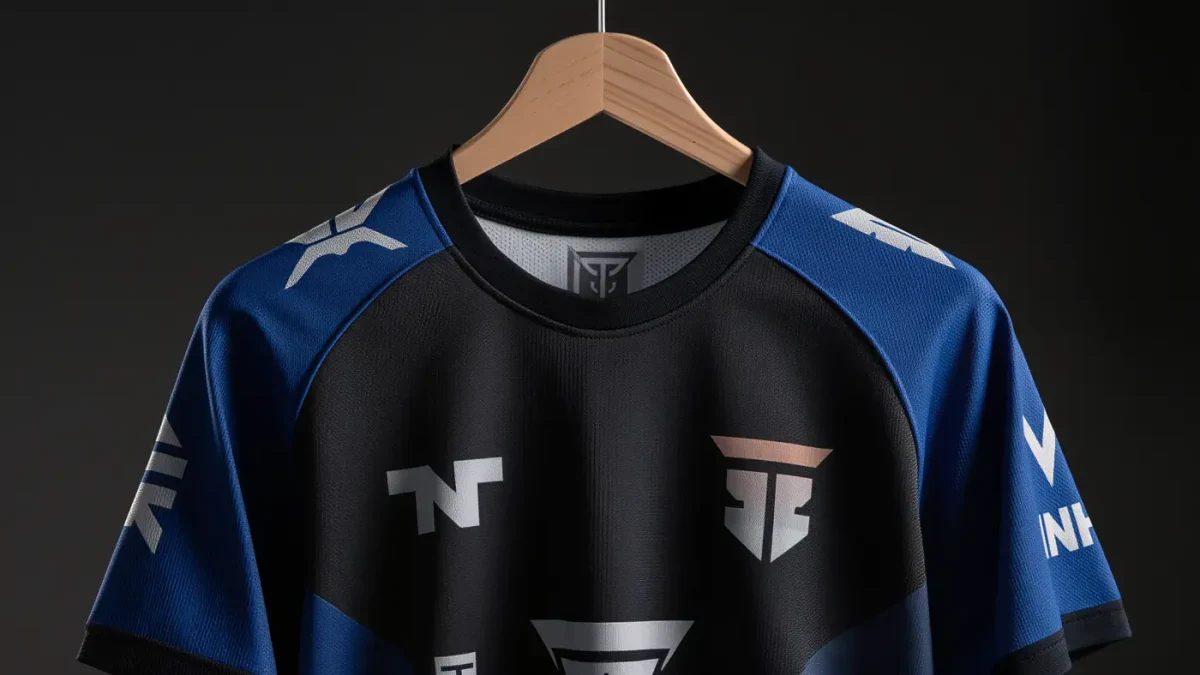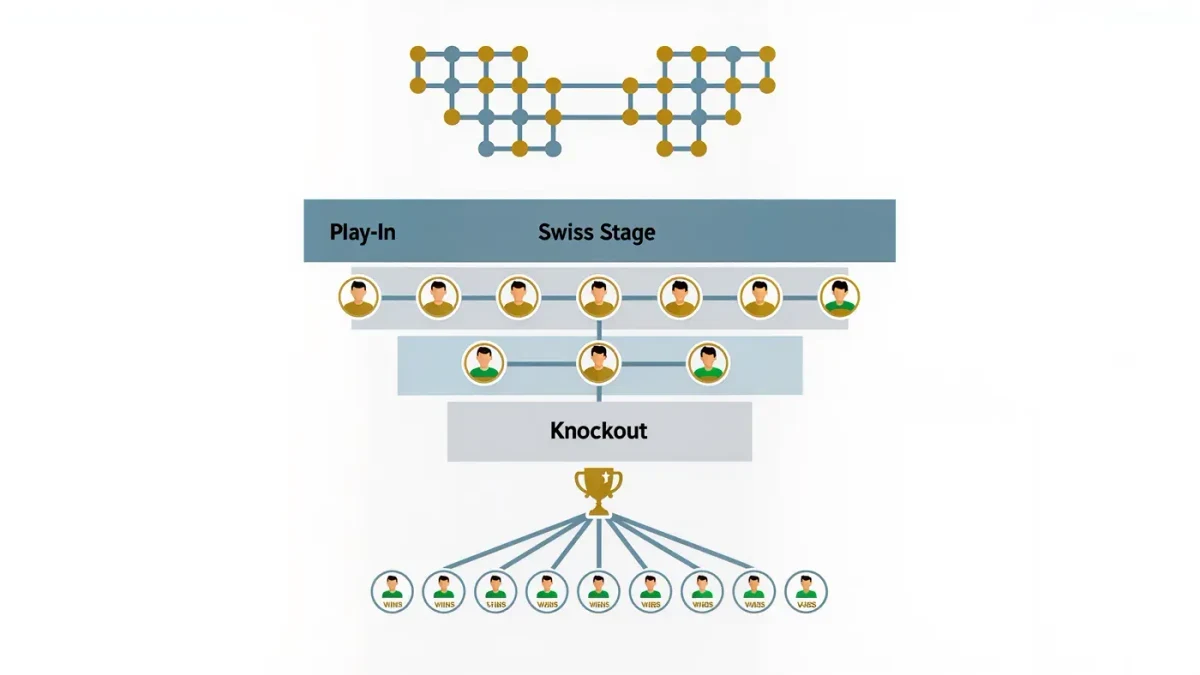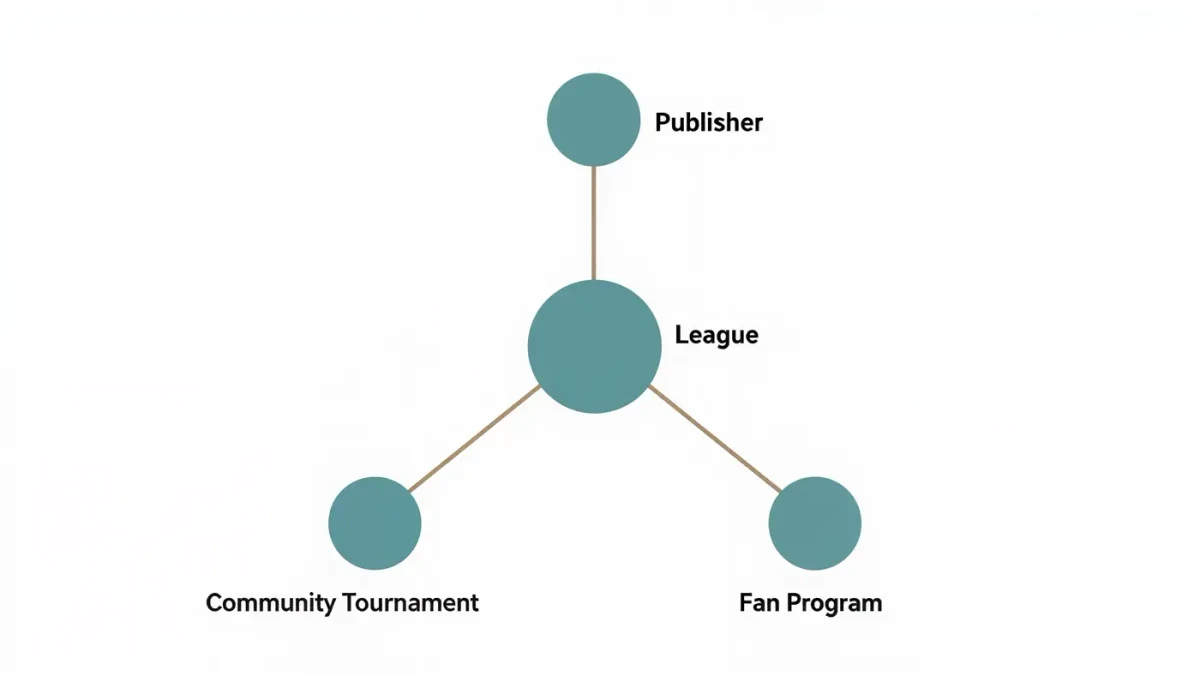
The esports ecosystem announcements of early August 2026 ran in one direction — outward: the Esports Nations Cup added Chess.com, MOONTON Games, and SNK as official publishing partners, per PR Newswire's distributed release in summer 2026, while Riot Games opened Worlds 2026 Artist Alley applications on July 22 and brought community tournaments back under a League of Legends Classic banner in August, per the official LoL Esports news hub. Esports ecosystem announcements in 2026 are less about new leagues and more about widening the ones that exist.
Academia Hagi is an independent online publication — not a league operator or broadcaster — and this piece covers only announcements on the record before August 5, 2026.
Who joined the Esports Nations Cup?
Three publishers with very different audiences. Chess.com, MOONTON Games, and SNK joined the Esports Nations Cup as official publishers, per the announcement distributed through PR Newswire, alongside founding publishers including EA. The pairing matters more than the names: a board-game platform, a mobile-MOBA giant, and a fighting-game veteran signing onto the same nation-based competitive program is the clearest sign yet that "esports" is consolidating as a multi-genre sport category rather than a shooter-and-MOBA niche.
What is Riot doing around Worlds 2026?
Building the edges of the event. Per the official LoL Esports news hub, Artist Alley applications for the 2026 World Championship opened on July 22, 2026 — formalizing fan-artist participation in the sport's biggest annual event — and August saw community tournaments return under the League of Legends Classic banner, giving the game's long-tail competitive scene an official home between professional splits.
That is ecosystem work in the literal sense: Worlds is no longer just a tournament but a season-length platform that amateur scenes, artists, and community organizers plug into. The 2026 World Championship itself remains the annual finale of the competitive League of Legends calendar, with regional circuits feeding it all year.
Why does the publisher-partner model keep growing?
Because it splits the costs of nation-based competition. Events like the Esports Nations Cup — which confirmed a sixteen-game lineup for its 2026 edition in Riyadh, per the event's official press release — need publishers to license titles, support competitive infrastructure, and bless their games' appearance under national flags. Each added publisher widens the talent pool and the audience; each added event gives publishers a stage their own leagues cannot replicate: country versus country.
The through-line of the August 2026 announcements is deceptively simple. The leagues exist, the calendars exist, the platforms — per the DAZN and KICK distribution deals announced earlier in the summer — exist. What publishers and event operators are announcing now is everything around the matches: artists, community tournaments, new genres, national teams. The matches were always the product. The ecosystem is the moat.